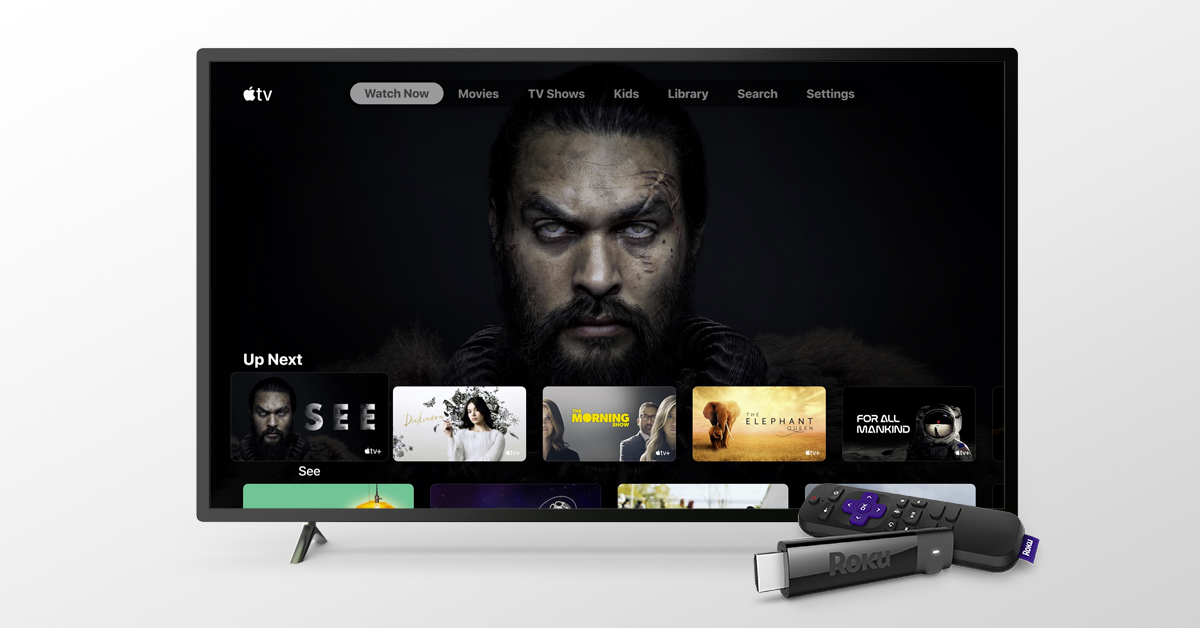
Exploring Apple TV's Personalization: How It Anticipates Your Viewing Habits
Apple TV has revolutionized the way we consume content by leveraging advanced algorithms to personalize our viewing experience. With a deep understanding of user preferences, Apple TV anticipates your viewing habits by creating a tailored selection of shows and movies. This personalization is rooted in factors like your watch history, ratings, and even the time of day you typically watch content. By continually refining these metrics, Apple TV ensures that you spend less time searching for something to watch and more time enjoying your favorite programming.
Moreover, the personalization features extend beyond mere content suggestions. Apple TV integrates with various streaming services, allowing for a seamless viewing experience across platforms. You can easily switch from Netflix to Apple TV+ without missing a beat. Additionally, Apple TV supports curated watchlists, which can be shared with friends and family, making social viewing easier and more engaging. Ultimately, Apple TV's personalization capabilities not only enhance user satisfaction but also foster a stronger connection between viewers and the content they love.
Counter-Strike is a popular tactical first-person shooter game that has captivated gamers since its release. With its emphasis on teamwork and strategy, players engage in intense matches where they can take on roles as either terrorists or counter-terrorists. Whether you're looking for the Top 10 apple tv remote covers for your gaming setup or seeking tips to improve your skills, the Counter-Strike community offers a wealth of resources and support for both beginners and veterans alike.
The Hidden Algorithms Behind Apple TV: How Your Preferences Shape Your Recommendations
The hidden algorithms behind Apple TV play a crucial role in shaping the viewing experience by analyzing user behavior and preferences. These algorithms continuously learn from your interactions, such as the content you watch, the ratings you give, and even the shows you skip. By leveraging this data, Apple TV creates a personalized recommendation system that enhances user engagement. For example, if you frequently watch sci-fi movies, the algorithm is likely to recommend similar genres, ensuring that your viewing experience is tailored to your tastes.
Moreover, Apple TV's algorithms employ a variety of factors to refine their suggestions. These include collaborative filtering, which compares your watch history with that of other users, and content-based filtering, which analyzes the attributes of the shows you enjoy. This multifaceted approach allows Apple TV to deliver a more refined and relevant selection of content, ultimately keeping you entertained. By understanding how these algorithms work, you can better navigate the platform and make the most of your streaming experience.
Can Apple TV Really Know You Better Than You Know Yourself? A Deep Dive into Smart Streaming
The advent of smart streaming devices like Apple TV has revolutionized how we consume content, raising the question: Can Apple TV really know you better than you know yourself? With its advanced algorithms and machine learning capabilities, Apple TV analyzes your viewing habits, preferences, and even the time of day you are most likely to watch. By curating personalized recommendations based on your behavior, it aims to create a more engaging viewing experience. This level of insight can lead to a more tailored entertainment landscape, and as a result, users may find that their content choices evolve based on these suggestions.
However, this extensive data collection has stirred an ongoing debate around privacy and the ethics of AI. While Apple TV’s ability to predict your taste based on past choices is impressive, some users question whether a device can truly understand the nuances of human preference. After all, there are moments when we crave an unexpected thrill or a nostalgic classic that no algorithm might anticipate. Ultimately, while Apple TV may come close to knowing your preferences, the human experience remains complex and inherently unpredictable, suggesting that technology, as advanced as it may be, can only enhance but never fully replicate our individuality.